
Eco Friendly Clothing & Sustainable Uniforms | La Suma
Why More Consumers Are Switching to Eco-Friendly Clothing in 2026
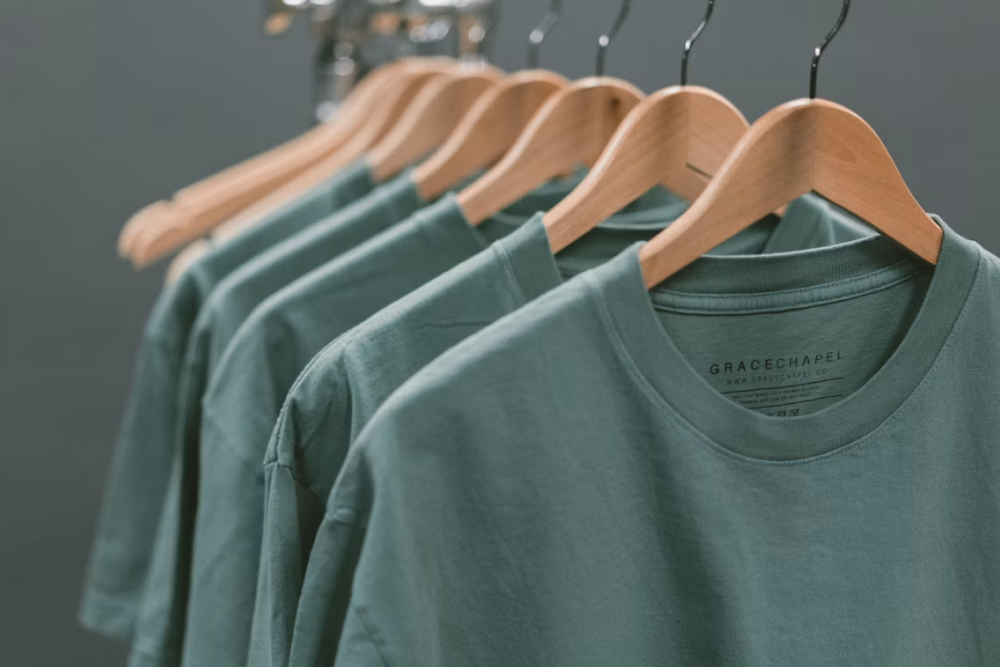
Change hits fashion hard by 2026. Because people care more now, what they buy affects nature, towns, and kids later on. So clothes that treat Earth kindly? Once rare, these pieces now sit at the front of closets - picked not just for lasting long but for doing right by the world. Yet comfort matters too; good fit stays key even when values lead.
La Suma builds clothes meant to last, shaped by today's world but kinder to the planet. What matters shows up in every choice - slow design instead of quick trends. Each piece reflects care, not just for how it looks, but where it comes from. Longevity guides the work, along with honesty about materials and methods. Fashion here moves at its own pace, quiet yet clear. Decisions lean on thoughtfulness rather than speed. The goal isn't perfection - it's progress rooted in real effort.
Increasing Knowledge of the Effects on the Environment
People are now more conscious of the harm that shifting fashion trends do to the environment. Toxic dyes, piles of abandoned clothing, dirty factory air, and excessive water use have all attracted a lot of attention. Because they understand these problems, many choose different ways to buy clothing - ways kinder to Earth.
Out in fields far from synthetic dyes, clothing begins with choices - organic cotton grows without harsh chemicals. Instead of draining rivers, some makers recycle old garments into new cloth. Ethical workspaces pop up where fair wages anchor daily routines. Alongside lower footprints, comfort stays strong in pieces built to last. What feels soft today also treads lightly on soil tomorrow.
Demand Grows for Ethical Transparent Brands
Style and price alone won't satisfy shoppers by 2026. Behind every garment, questions arise - where did it begin, who stitched it together, were hands that sewed paid well? Factories far away aren't invisible anymore. Transparency now weighs heavier than discounts. Workers' lives matter just as much as fit and fabric.
Now more than ever, people check if companies explain where things come from. Openness around how things get made often builds trust over time. When folks see fair pay, ethical workshops, and mindful sourcing, they stick around. A clear picture of production speaks louder than promises ever could. Honesty shapes choices - quietly but firmly shifting what ends up in carts.
From the first stitch to the final check, La Suma builds each piece with care. Because details matter, materials are chosen slowly. Each line holds shape, purpose, wear after wear. Thought goes into how things are made, not just how they look. People notice that balance - over time, it shows.
Quality Over Quantity
Nowhere has the change been clearer than in how people buy clothes these days. Rather than filling closets with cheap items, many choose simpler wardrobes built to last. What stands out is a growing care for quality over quantity. These decisions frequently combine long-term value with practicality. This habit gradually changes the priorities when it comes to shopping.
Out here, choosing fewer items means picking pieces that stand up to wear. A well-made garment sticks around, cutting down on discarded fabrics while feeling right after years of use. Lately, people are noticing something - how long clothes last matters more than ever when talking about fashion that does less harm.
Sustainable Materials Improve Over Time
Now comfort meets conscience in today's clothes thanks to smarter fabric design. These materials last long, feel gentle on skin, yet breathe well during wear. What used to seem difficult - style without harm - is now possible through better fibers. Less damage to nature happens even as quality rises sharply.
Nowadays people who care about their choices often pick clothes made from things like organic cotton or Tencel™. One reason? Less strain on nature without giving up how well they work or feel. Start with fibers that come from fair sources, then mix in some reused plastic thread; it just fits right into how you already dress. Style takes on a quieter meaning when choices show care instead of noise, yet softness stays exactly where it should be.
It is no longer necessary to compromise comfort or taste in order to look good and be environmentally conscious thanks to the growing sophistication of tools.
Conscious Consumerism's Ascent
These days, people are more conscious of what they purchase due to social media posts, increased awareness of environmental issues, and increased access to information via websites and videos. Brands that match personal beliefs tend to get support from these shoppers. Choosing eco-friendly options often reflects deeper concerns about fairness and long-term planet health. What matters today goes beyond price - it includes how things are made, who makes them, and where materials come from.
Nowadays people notice fake eco-promises more often, so they take time to check a brand's real impact first. Because trust matters, shopping choices follow proof - like clear actions instead of just slogans on packages.
Now, fashion labels across the globe are adjusting their ways - because of this change - to act with greater care. Their steps forward tie directly to building a future that lasts.
Conclusion
One step at a time, shoppers in 2026 care more about what clothes stand for. Instead of just how they look, attention shifts toward fair labor, clear supply chains, long-lasting fabrics, less harm to nature, eco friendly clothing offers quiet strength. Behind each piece at La Suma sits purpose: design that feels intentional, built well, made responsibly. Wearing it becomes part of something wider - a choice lined with awareness, stitched into tomorrow.